Dethatching in Winnipeg
Professional dethatching services in Winnipeg, Manitoba. Licensed and insured crews.
Dethatching in Winnipeg, Manitoba
Winnipeg, Manitoba's capital, has a population of approximately 749,000 and is known for its extreme continental climate — one of the coldest major cities in the world with January temperatures averaging -18°C and summer highs reaching 26°C. Located in zone 3a, Winnipeg's growing season spans roughly May through September, with remarkably long summer days (over 16 hours of daylight at the solstice) that drive rapid grass growth during the brief warm months. The city sits on the Red River floodplain, and its rich black chernozem soil — among the most fertile in the world — is excellent for turf growth when properly managed.
Local Lawn Care Conditions
However, this heavy clay-based soil compacts readily under foot traffic and equipment, making core aeration an essential annual service. The City of Winnipeg's Neighbourhood Liveability By-law mandates grass be kept below 15 cm, and enforcement is active during summer months. The University of Manitoba Fort Garry campus, the Canadian Museum for Human Rights grounds, and Assiniboine Park (a 445-hectare urban park featuring English gardens and the Zoo) are prominent green spaces. The Forks National Historic Site, at the junction of the Red and Assiniboine rivers, draws over 4 million visitors annually. Winnipeg's residential neighbourhoods include the established elm-canopied streets of Wolseley and River Heights, the growing suburbs of Bridgwater and Waverley West, and the cultural districts of the North End and St. Boniface (Winnipeg's francophone quarter). Manitoba does not have a province-wide cosmetic pesticide ban, giving lawn care providers access to the full range of approved selective herbicides.
Our Service in This Area
Mow.ca's Winnipeg crews maximize the short growing season with intensive scheduling during peak growth months and recommend cold-hardy grass varieties bred for Zone 3 survival.
Our Dethatching Service
Thatch is the layer of dead grass, roots, stems, and organic debris that accumulates between the soil surface and the living green blades of your lawn. A thin thatch layer (up to half an inch or 1.3 cm) is actually beneficial — it insulates roots, retains soil moisture, and cushions turf against foot traffic. However, when thatch exceeds half an inch, it becomes a barrier that blocks water, fertilizer, and air from reaching the soil, creates a habitat for insects and fungal diseases, and causes your lawn to root into the thatch layer rather than the soil below.
How It Works
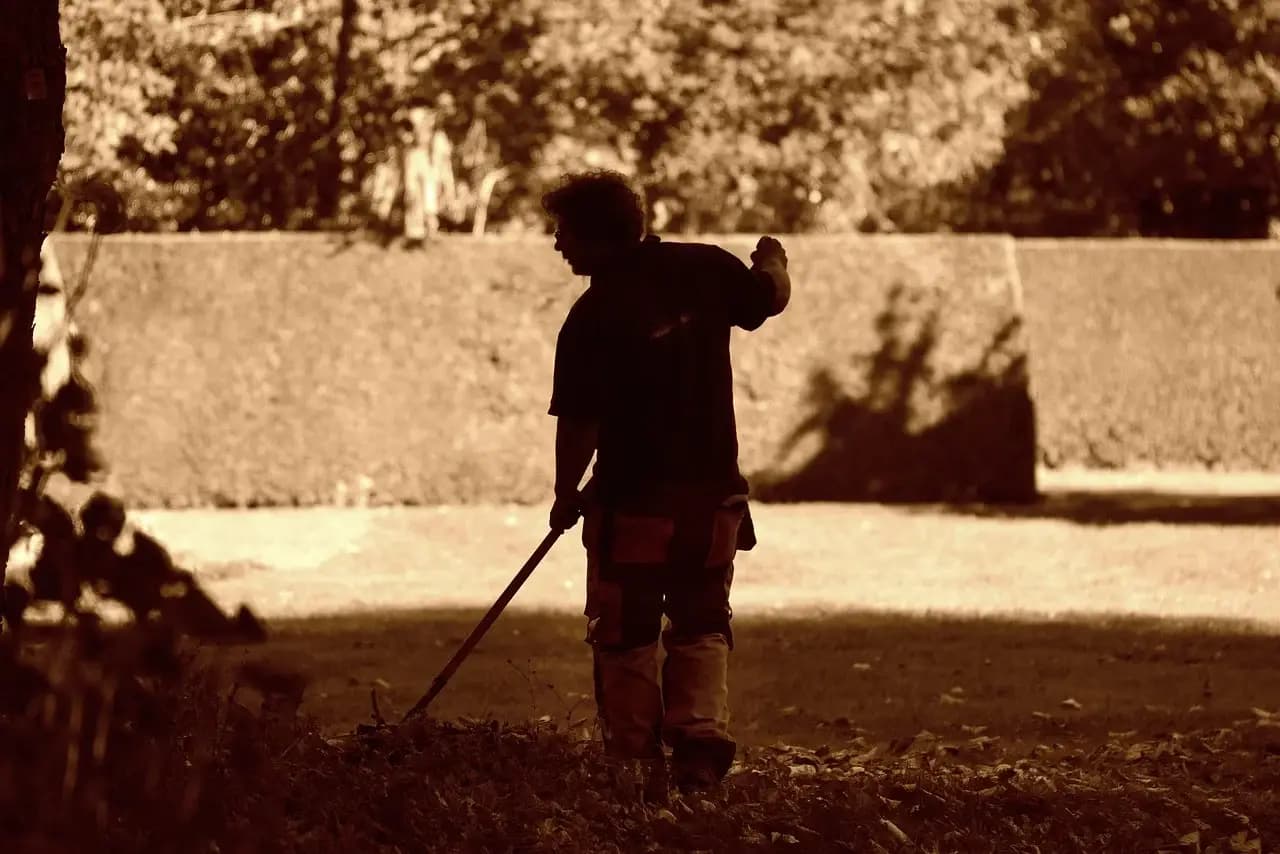
Our professional dethatching service uses a power verticutter (vertical mower) equipped with rotating steel blades set to slice through the thatch layer and pull it to the surface for collection. The machine makes multiple passes at controlled depth settings — typically cutting 0.5 to 1 inch into the thatch layer — without damaging the crown of the grass plants. This is a significantly more effective and uniform process than manual rake dethatching, which is labour-intensive and often incomplete on larger lawns.
Excessive thatch buildup is more common on some grass types than others. Kentucky Bluegrass, which spreads through underground rhizomes, produces more thatch than bunch-type grasses like Perennial Ryegrass. Lawns that receive excessive nitrogen fertilization, are watered too frequently with shallow irrigation, or have compacted soil that limits microbial decomposition are all prone to thatch accumulation. If your lawn feels spongy or bouncy underfoot, that is usually a sign of thatch buildup exceeding the healthy threshold.
Why Choose This Service
The best time for dethatching in Canada is early fall (September) or early spring (late April to May) when cool-season grasses are actively growing and can recover quickly from the process. Dethatching is a somewhat aggressive treatment — the lawn will look rough immediately afterward — but with proper follow-up care (overseeding bare areas, fertilizing, and watering), recovery is typically complete within three to four weeks.
We recommend combining dethatching with core aeration for lawns that have both thatch and compaction issues. Aeration improves drainage and oxygen flow to the root zone, while dethatching removes the surface barrier. Together, these two services can rejuvenate a struggling lawn more effectively than either service alone.
Pricing & Scheduling
After dethatching, all removed material is raked up and hauled away or deposited for composting. The organic matter in thatch decomposes well in compost bins but should not be left on the lawn surface where it can smother recovering grass. Dethatching pricing ranges from $100 to $250 for a standard residential lot, depending on thatch thickness and property size. Properties with severe thatch (over 1 inch) may require a preliminary mowing at reduced height before the verticutter can work effectively.
Bottom Line
Professional service, transparent pricing, and crews trained on Canadian climate and regulations. Get a free quote in under 60 seconds.
What's Included
Other Services in Winnipeg
FAQs — Dethatching in Winnipeg
Ready for a Greener, Healthier Lawn?
Get a free, no-obligation quote from our lawn care experts. We serve 48+ cities across Canada with professional, reliable service.