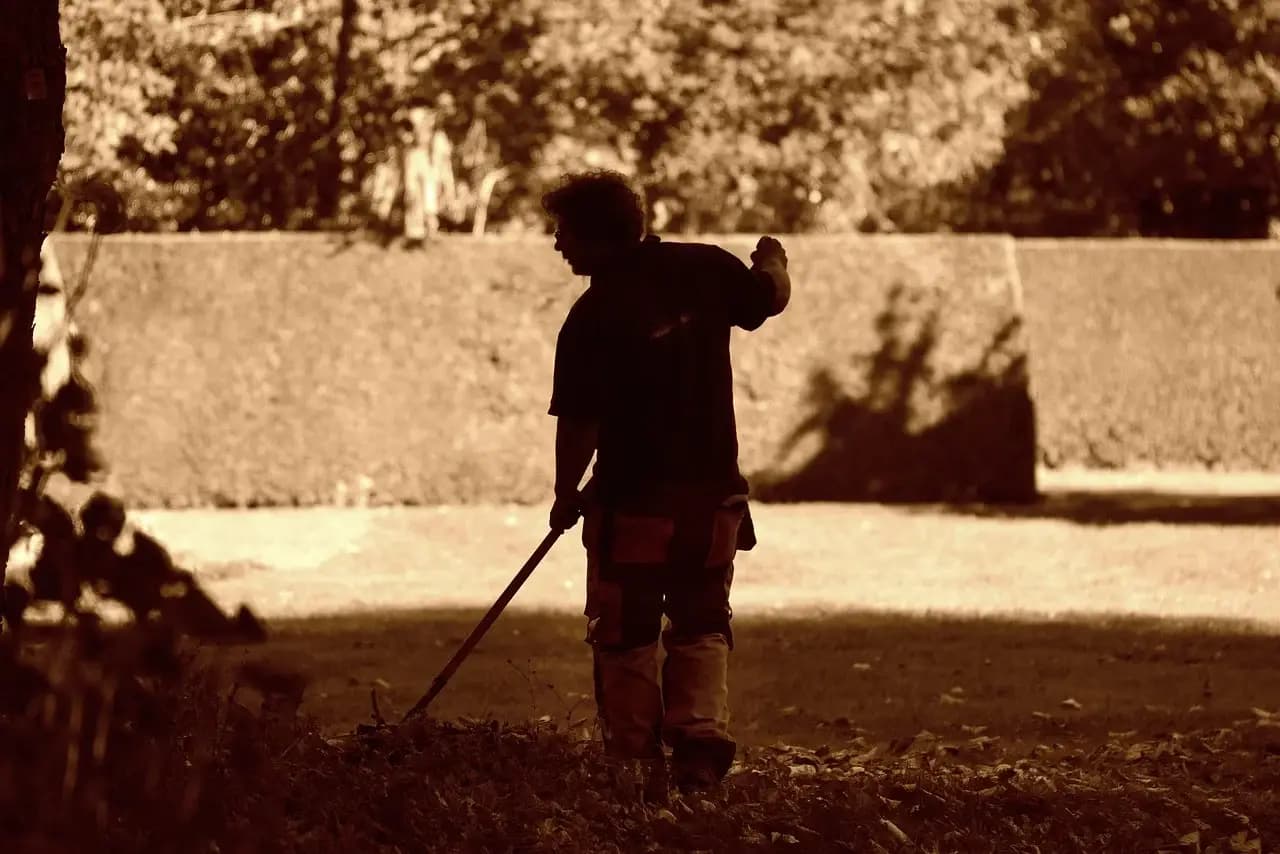
Dethatching in Vancouver
Professional dethatching services in Vancouver, British Columbia. Licensed and insured crews.
Dethatching in Vancouver, British Columbia
Vancouver, with a population of approximately 662,000 in the city proper and 2.6 million in Metro Vancouver, enjoys zone 8a conditions — the mildest climate of any major Canadian city. This means lawn care is effectively a year-round concern, with grass growing from late February through November and only experiencing brief semi-dormancy during the coolest weeks of December and January.
Local Lawn Care Conditions
Average annual precipitation of 1,189 mm falls predominantly between October and March, creating lush, green conditions but also promoting moss growth, drainage issues, and fungal diseases in shaded areas. Summer months (July through September) are comparatively dry, and many Metro Vancouver municipalities implement staged water restrictions under the Greater Vancouver Water District's Drinking Water Conservation Plan — which directly affects lawn watering schedules. The City of Vancouver's Pesticide By-law restricts cosmetic pesticide use on residential properties, requiring iron-based alternatives for weed control. Vancouver's residential properties range from compact urban lots in Kitsilano and East Van to larger properties in Dunbar, Kerrisdale, and Point Grey. Stanley Park, Queen Elizabeth Park, and VanDusen Botanical Garden are iconic city green spaces.
Our Service in This Area
Mow.ca's Vancouver crews manage the unique challenges of the Pacific Northwest climate: moss control, drainage optimization, European crane fly larvae treatment, and summer irrigation scheduling within water restriction guidelines.
Our Dethatching Service
Thatch is the layer of dead grass, roots, stems, and organic debris that accumulates between the soil surface and the living green blades of your lawn. A thin thatch layer (up to half an inch or 1.3 cm) is actually beneficial — it insulates roots, retains soil moisture, and cushions turf against foot traffic. However, when thatch exceeds half an inch, it becomes a barrier that blocks water, fertilizer, and air from reaching the soil, creates a habitat for insects and fungal diseases, and causes your lawn to root into the thatch layer rather than the soil below.
How It Works
Our professional dethatching service uses a power verticutter (vertical mower) equipped with rotating steel blades set to slice through the thatch layer and pull it to the surface for collection. The machine makes multiple passes at controlled depth settings — typically cutting 0.5 to 1 inch into the thatch layer — without damaging the crown of the grass plants. This is a significantly more effective and uniform process than manual rake dethatching, which is labour-intensive and often incomplete on larger lawns.
Excessive thatch buildup is more common on some grass types than others. Kentucky Bluegrass, which spreads through underground rhizomes, produces more thatch than bunch-type grasses like Perennial Ryegrass. Lawns that receive excessive nitrogen fertilization, are watered too frequently with shallow irrigation, or have compacted soil that limits microbial decomposition are all prone to thatch accumulation. If your lawn feels spongy or bouncy underfoot, that is usually a sign of thatch buildup exceeding the healthy threshold.
Why Choose This Service
The best time for dethatching in Canada is early fall (September) or early spring (late April to May) when cool-season grasses are actively growing and can recover quickly from the process. Dethatching is a somewhat aggressive treatment — the lawn will look rough immediately afterward — but with proper follow-up care (overseeding bare areas, fertilizing, and watering), recovery is typically complete within three to four weeks.
We recommend combining dethatching with core aeration for lawns that have both thatch and compaction issues. Aeration improves drainage and oxygen flow to the root zone, while dethatching removes the surface barrier. Together, these two services can rejuvenate a struggling lawn more effectively than either service alone.
Pricing & Scheduling
After dethatching, all removed material is raked up and hauled away or deposited for composting. The organic matter in thatch decomposes well in compost bins but should not be left on the lawn surface where it can smother recovering grass. Dethatching pricing ranges from $100 to $250 for a standard residential lot, depending on thatch thickness and property size. Properties with severe thatch (over 1 inch) may require a preliminary mowing at reduced height before the verticutter can work effectively.
Bottom Line
Professional service, transparent pricing, and crews trained on Canadian climate and regulations. Get a free quote in under 60 seconds.
What's Included
Other Services in Vancouver
FAQs — Dethatching in Vancouver
Ready for a Greener, Healthier Lawn?
Get a free, no-obligation quote from our lawn care experts. We serve 48+ cities across Canada with professional, reliable service.