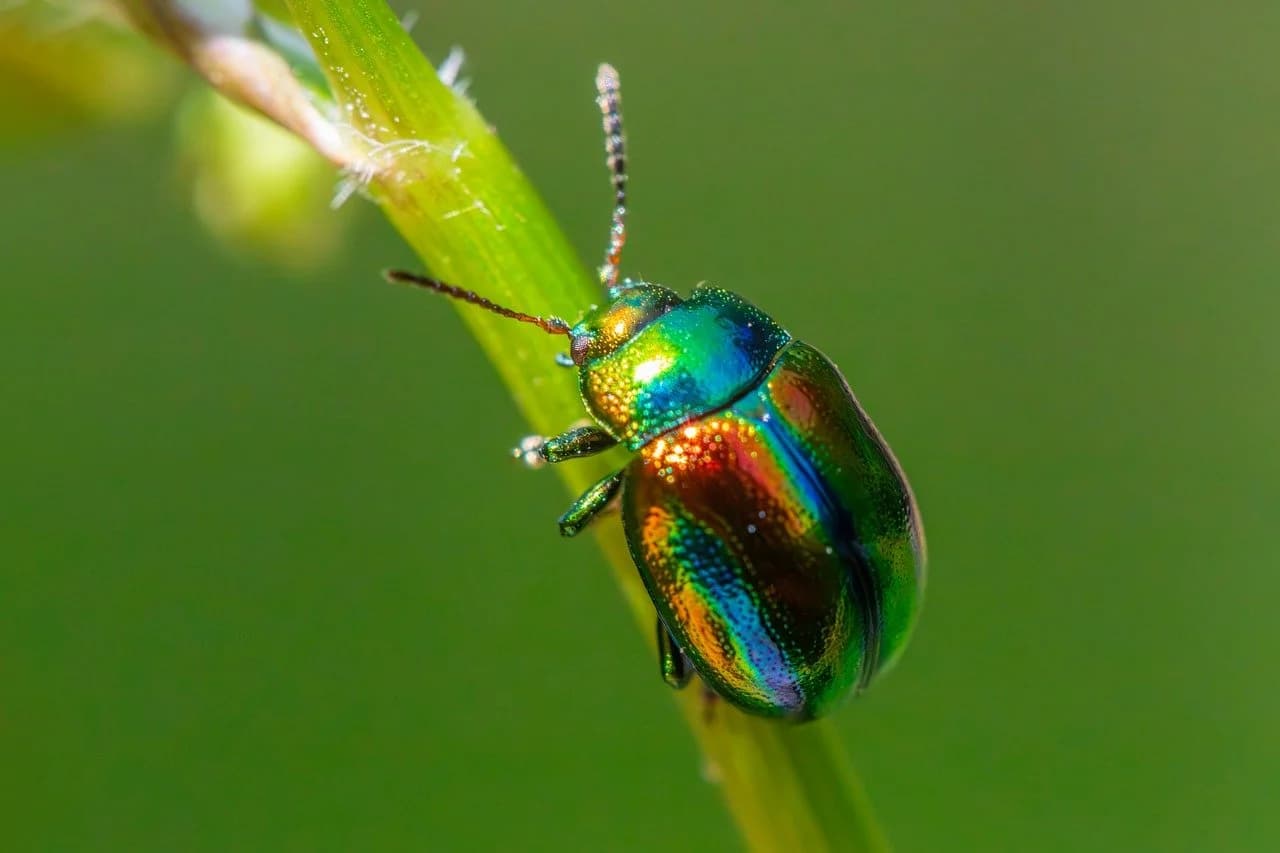
Pest & Grub Control in Burlington
Professional pest & grub control services in Burlington, Ontario. Licensed and insured crews.
Pest & Grub Control in Burlington, Ontario
Burlington, with a population of approximately 186,000, is a lakefront community at the western end of Lake Ontario in zone 6b, positioned between Hamilton and Oakville. The city is home to the Royal Botanical Gardens (RBG) — Canada's largest botanical garden at 1,100 hectares — which sets a high standard for landscape aesthetics in the community. Burlington's residential properties include the established waterfront homes of LaSalle Park and downtown, the heritage properties of old Burlington village, and newer suburban developments in Alton Village and Millcroft.
Local Lawn Care Conditions
The Niagara Escarpment passes through the northern part of the city, creating varied topography and soil conditions. Properties near the escarpment face slope maintenance challenges and often have different microclimates than those on the flat lakeside plain.
Our Service in This Area
Mow.ca serves Burlington's environmentally-conscious community with programs that complement the city's strong horticultural heritage, offering organic lawn care options and sustainable turf management practices.
Our Pest & Grub Control Service
White grubs are the single most destructive lawn pest across Canada. These C-shaped larvae — the immature stage of European chafer beetles, Japanese beetles, and June beetles — feed on grass roots just below the soil surface, severing the root system and causing irregular brown patches that peel back from the soil like loose carpet. A secondary damage layer comes from wildlife: skunks, raccoons, and crows tear up grub-infested turf to feed on the larvae, often causing more visible damage than the grubs themselves.
How It Works
At Mow.ca, our pest and grub control programs use an integrated approach combining biological controls, cultural practices, and targeted treatments that are effective while being safe for children, pets, and the environment. Our primary biological weapon against white grubs is Heterorhabditis bacteriophora — a species of beneficial nematode that actively seeks out and parasitizes grub larvae in the soil. These microscopic roundworms are applied as a liquid drench in late August to early September, when soil temperatures are above 15°C and newly hatched grubs are small and most vulnerable. Nematodes are a registered biological pesticide that is exempt from provincial cosmetic pesticide bans and safe for use around people, pets, and waterways.
For properties where nematode application alone may not achieve sufficient control, we also offer Bacillus thuringiensis galleriae (Btg) — a bacterial biological insecticide registered by the PMRA for use against white grubs in turf. Btg works by producing proteins that are toxic to grub larvae when ingested, but harmless to mammals, birds, and beneficial insects.
Why Choose This Service
Beyond white grubs, we also treat for chinch bugs (Blissus leucopterus), which damage lawns by sucking sap from grass stems and injecting a toxin that causes yellowing and death. Chinch bug damage is most severe in hot, dry conditions and often mimics drought stress. Our treatment approach for chinch bugs includes Beauveria bassiana (a fungal biocontrol) in provinces with pesticide restrictions, and targeted insecticidal applications in unrestricted provinces. We also address sod webworms (Crambus spp.) and European crane fly larvae (Tipula paludosa) — the latter being a significant pest in BC's Lower Mainland.
Grub inspection is included with every pest control visit. Our technicians perform a pull-test by lifting a one-square-foot section of turf in suspected areas. The treatment threshold is five grubs per square foot — below this level, healthy turf can typically tolerate grub feeding without visible damage. Above this level, treatment is recommended.
Pricing & Scheduling
Pest and grub control pricing ranges from $75 to $180 for a standard residential lot, depending on the pest type, treatment method, and property size. Nematode applications are typically at the higher end due to the cost of live biological product, but they offer the most environmentally responsible control with no re-entry restrictions — your family and pets can use the lawn immediately after application.
Lawn Disease & Fungus Treatment
Fungal lawn diseases cause distinct damage patterns that distinguish them from grub or drought injury. The most common Canadian lawn diseases are snow mold (grey or pink, appears as circular matted patches in early spring after snowmelt), dollar spot (silver-dollar-sized straw-coloured patches in summer), red thread (pink-red threads on grass blades during cool wet periods), rust (orange-yellow powder that rubs off on shoes), and brown patch (large irregular brown rings during hot humid weather). Our diagnostic process includes a property walk-through, soil moisture assessment, mowing-height check, and — when needed — a small turf sample for lab confirmation. Treatment combines cultural corrections (raising mowing height, adjusting watering schedule, improving drainage) with targeted fungicide applications only when clinically indicated. Most fungal pressure is solved through cultural changes rather than fungicide — we recommend the latter only for severe outbreaks. Disease assessment is free with any service contract; standalone diagnostic visits run $75.
Bottom Line
Professional service, transparent pricing, and crews trained on Canadian climate and regulations. Get a free quote in under 60 seconds.
What's Included
Other Services in Burlington
FAQs — Pest & Grub Control in Burlington
Pest & Grub Control in Nearby Cities
Ready for a Greener, Healthier Lawn?
Get a free, no-obligation quote from our lawn care experts. We serve 48+ cities across Canada with professional, reliable service.